Fellow Health Adds Sperm DNA Fragmentation Testing to Its Mail-In Portfolio
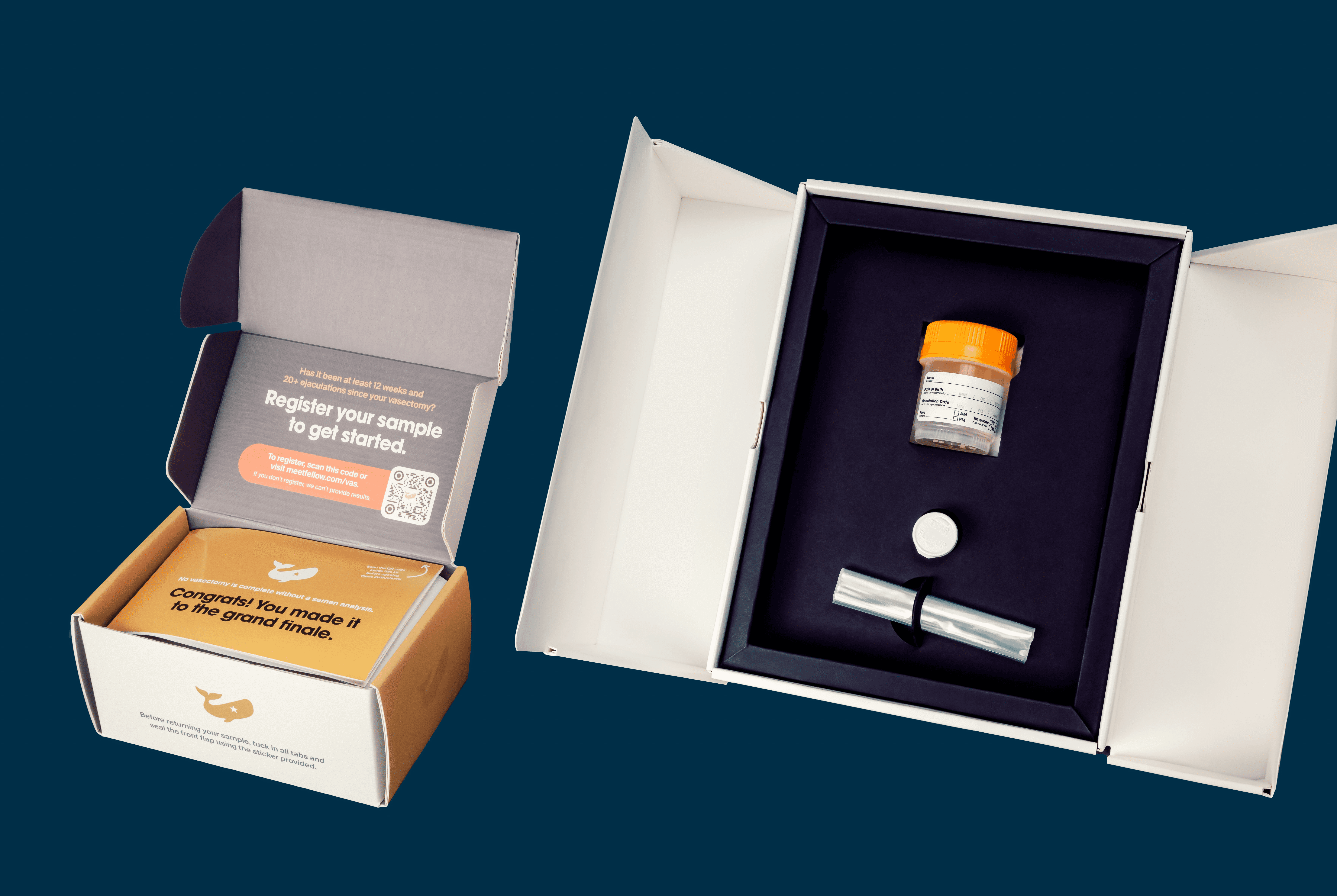
Fellow Health today announced it is adding sperm DNA fragmentation testing to its mail-in portfolio, alongside its clinically validated semen analysis trusted by more than 4,000 fertility and urology practices. The test, introduced at the American Society for Reproductive Medicine (ASRM) 2026 Scientific Congress & Expo, captures breaks in the genetic material sperm carry, which standard semen parameters do not measure.
The addition follows ASRM’s 2026 update to its committee opinion on recurrent pregnancy loss, the first since 2012. The updated guidance states that sperm DNA fragmentation testing may be considered for otherwise unexplained recurrent miscarriage or recurrent miscarriage accompanied by infertility.
Elevated sperm DNA fragmentation can occur even when standard semen analysis parameters are normal, potentially leaving a contributing factor to infertility undetected. Higher fragmentation has been associated with reduced chances of natural conception and increased risk of pregnancy loss. Oxidative stress is a major contributor to sperm DNA damage. Risk factors include age, varicocele, infection, smoking, obesity, heat exposure and environmental toxins.
“A normal semen analysis can leave couples without an explanation for repeated pregnancy losses or unsuccessful fertility treatment,” said James F. Smith, MD, MS, Chief Medical Officer and NYS Laboratory Director at Fellow Health. “DNA fragmentation testing can help us investigate a part of sperm health that count, motility and morphology cannot show. For selected patients, that information can inform a more focused evaluation and a discussion about what to do next.”
“Getting additional information about sperm health shouldn’t mean starting the testing process over,” said Brian Hogan, CEO of Fellow Health. “We’re building DNA fragmentation testing into our validated mail-in process so clinicians can investigate beyond standard semen parameters and arrive at answers sooner.”
Fellow Health expects to make DNA fragmentation testing available to clinics in every state except New York before the end of 2026.